TOKOH
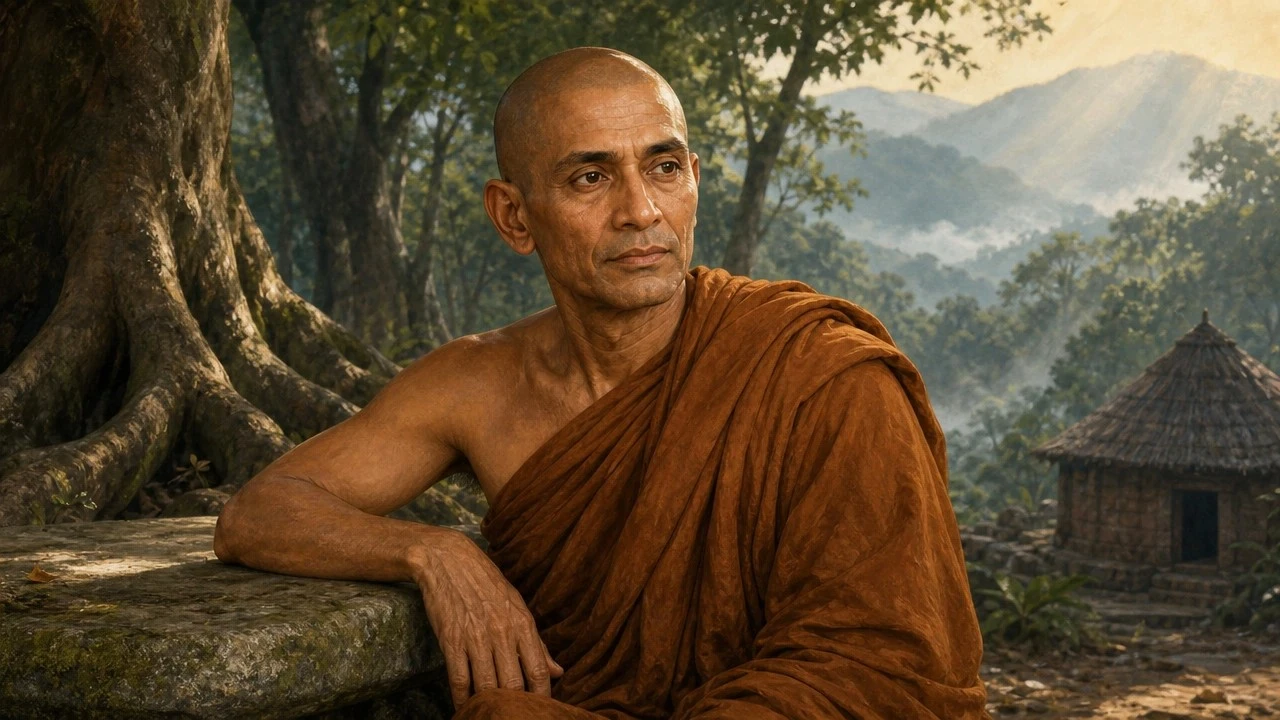
Mahākaccāna
Murid utama yang menjelaskan kesetaraan manusia melalui akibat perbuatan.
Khotbah di Madhurā
Raja Avantiputta bertanya kepada Mahākaccāna tentang klaim kaum brahmana sebagai kasta tertinggi. Dengan alasan yang tenang, Mahākaccāna menunjukkan bahwa perbuatan dan hukum berlaku sama bagi semua golongan. Inilah Madhura Sutta.
Murid utama yang menjelaskan kesetaraan manusia melalui akibat perbuatan.
Raja Madhurā yang menguji klaim keunggulan kasta brahmana.
Kerajaan tempat dialog tentang kasta berlangsung.
Kelahiran tidak membuat seseorang kebal dari hukum, akibat perbuatan, atau kebutuhan melatih kebajikan.
Mahākaccāna tinggal di Madhurā ketika Raja Avantiputta datang menemuinya dan mengangkat klaim para brahmana bahwa hanya kasta mereka yang paling tinggi, paling murni dan merupakan anak Brahmā. Mahākaccāna meminta raja melihat kenyataan: orang dari kasta mana pun yang kaya dapat dilayani oleh kasta lain; siapa pun yang melakukan kejahatan menerima akibat buruk; dan siapa pun yang hidup bajik dapat menuju keadaan baik. Bila seseorang meninggalkan kehidupan rumah tangga dan menjadi petapa yang baik, raja sendiri akan menghormatinya tanpa mempersoalkan kasta asalnya. Dengan tanya jawab itu, keunggulan berdasarkan kelahiran digantikan oleh ukuran perbuatan dan kualitas seseorang.
mn84:9.1 What do you think, Great King?
mn84:9.2 Take an aristocrat who shaves off their hair and beard, dresses in ocher robes, and goes forth from the lay life to homelessness. They abstain from killing living creatures, stealing, and lying. They abstain from eating at night, eat in one part of the day, and are chaste, ethical, and of good character.
mn84:9.3 How would you treat them?”
mn84:9.4 “I would bow to them, rise in their presence, or offer them a seat. I’d invite them to accept robes, almsfood, lodgings, and medicines and supplies for the sick. And I’d organize their lawful guarding and protection.
mn84:9.5 Why is that?
mn84:9.6 Because they’ve lost their former status as an aristocrat, and are just reckoned as an ascetic.”
mn84:9.7 “What do you think, Great King?
mn84:9.8 Take a brahmin, peasant, or menial who shaves off their hair and beard, dresses in ocher robes, and goes forth from the lay life to homelessness. They abstain from killing living creatures, stealing, and lying. They abstain from eating at night, eat in one part of the day, and are chaste, ethical, and of good character.
mn84:9.9 How would you treat them?”
mn84:9.10 “I would bow to them, rise in their presence, or offer them a seat. I’d invite them to accept robes, almsfood, lodgings, and medicines and supplies for the sick. And I’d organize their lawful guarding and protection.
mn84:9.11 Why is that?
mn84:9.12 Because they’ve lost their former status as a brahmin, peasant, or menial, and are just reckoned as an ascetic.”
mn84:9.13 “What do you think, Great King?
mn84:9.14 If this is so, are the four classes equal or not?
mn84:9.15 Or how do you see this?”
mn84:9.16 “Certainly, worthy Kaccāna, in this case these four classes are equal.
mn84:9.17 I can’t see any difference between them.”
mn84:9.18 “This is another way to understand that this is just hearsay in the world:
mn84:9.19 ‘Only brahmins are the best class; other classes are inferior.
mn84:9.20 Only brahmins are the light class; other classes are dark.
mn84:9.21 Only brahmins are purified, not others.
mn84:9.22 Only brahmins are the Divinity’s bosom sons, born from his mouth, born of the Divinity, created by the Divinity, heirs of the Divinity.’”
Terjemahan Indonesia Tiga Keranjang dibuat dengan bantuan AI dan disajikan bersama teks Pāli serta English untuk memudahkan pembacaan dan perbandingan.